Apples · 2027 season
Gala Apple Tree
Malus domestica
Needs a partnerSweet, crisp and early. One of the most popular eating apples.
- #7 container
- About 1.25" caliper
Pick up in Pittsgrove, NJ, typically in March. Pay cash, check, Venmo or PayPal at pickup.
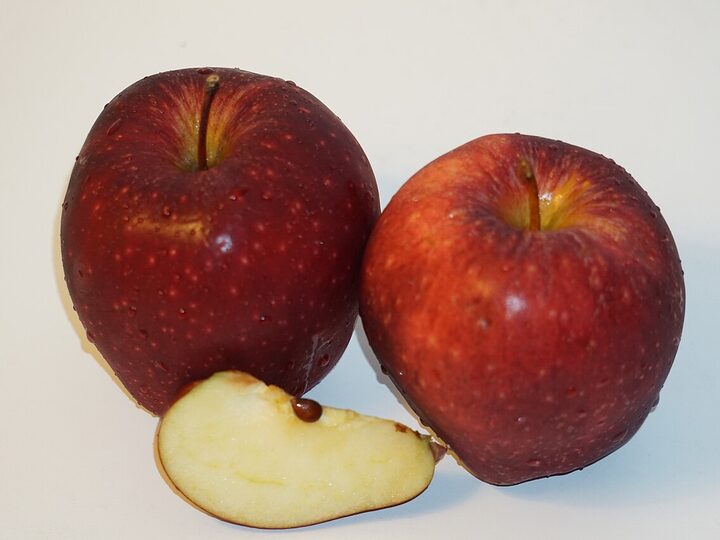
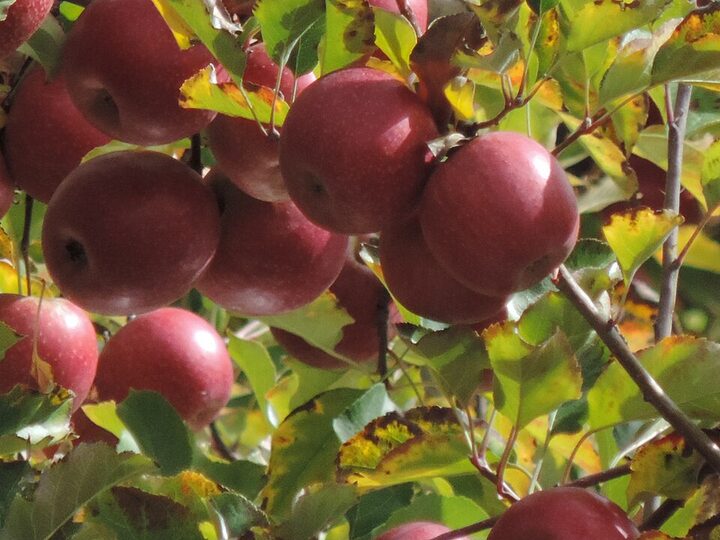
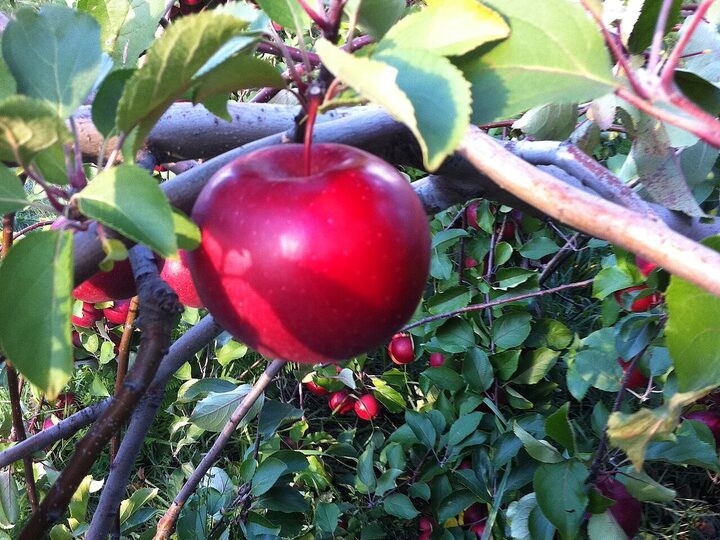
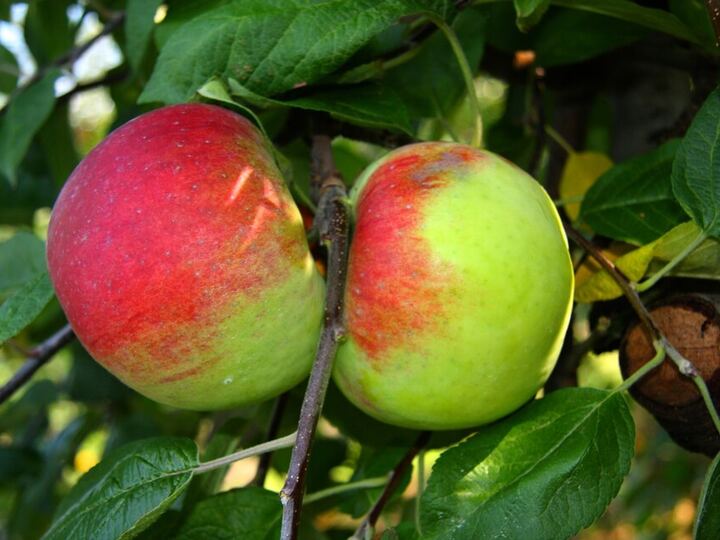
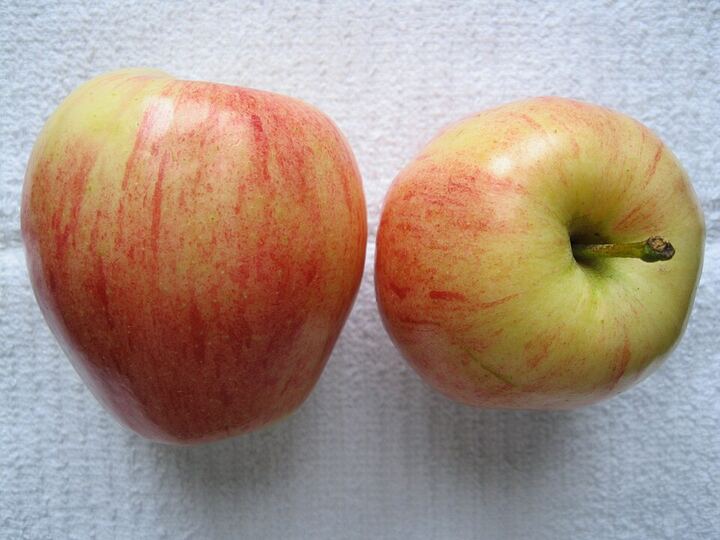
Gala is one of the most popular apples in the country: sweet, crisp, juicy and mild, with red-and-yellow striped skin. Kids love it.
It's one of the earlier apples, ripening in late summer, and it's a good pollinator for many other varieties.
Gala trees tend to set heavy crops. Thin the fruit early so the apples size up.
Gala comes from New Zealand (Kidd's Orange Red × Golden Delicious). Rutgers' maturity reports show it ready around the first week of September in Salem County.
How it tastes
Sweet and mild, with a light floral aroma and very little tartness. The flesh is crisp and juicy and the skin is thin, so it's an easy apple to eat out of hand.
At a glance
- You get
- #7 container, about 1.25" caliper (trunk thickness 6 inches above the soil; each tree varies a little)
- Hardiness zones
- USDA 5–8 (Salem County is 7)
- Blooms
- Mid season
- Ripens
- Late August to early September
- Starts bearing
- Usually 2–4 years after planting
- Mature size
- Depends on rootstock; ask us
- Pollination
- Needs a partner
- Botanical name
- Malus domestica
- Price
- $88 each, paid at pickup
- Pickup
- Pittsgrove, NJ, typically in March
The fruit
- Looks
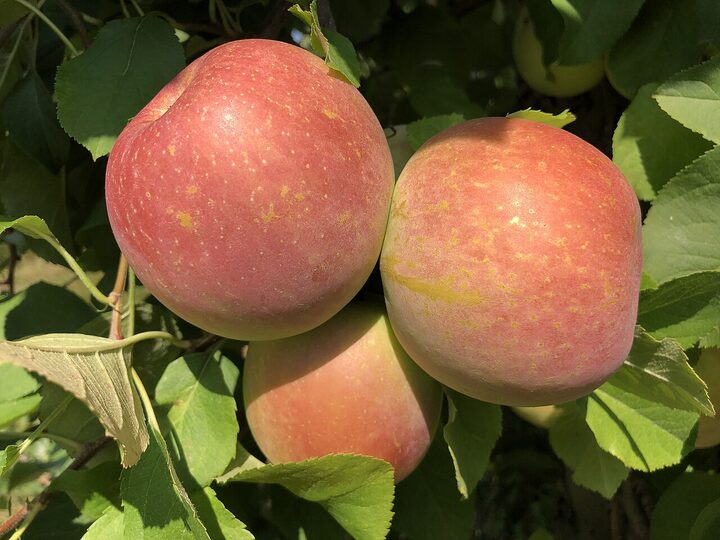
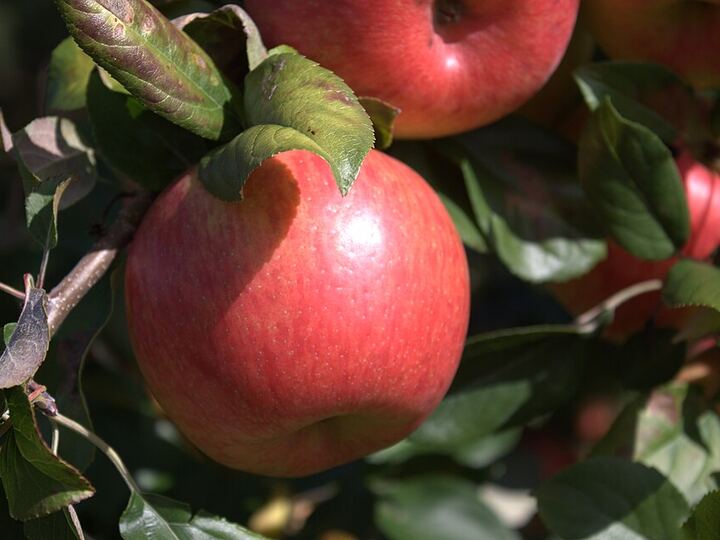
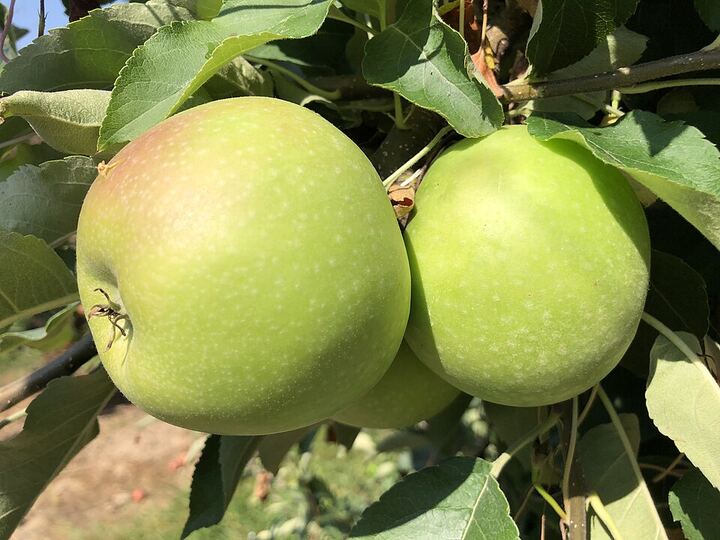
- Small to medium, red-orange stripes over yellow, crisp
- Flavor
- Sweet, mild and aromatic
- Best for
- Fresh, Salads
- Keeps
- A month or two in the fridge (shorter than Fuji)
Pollination
Needs a different apple (or a flowering crabapple) blooming nearby. Any of the partners below will do it.
Good partners from our list
Growing tips
Watch for: Extremely susceptible to fire blight; also scab, cedar-apple rust and mildew. The wood is brittle, so thin heavy crops
- Full sun (at least 6–8 hours) and soil that drains well. Avoid low spots where water sits in spring.
- Mature size depends on the rootstock the tree is grafted onto. Ask us if space is tight.
- Water deeply once a week through the first summer, more often in heat waves.
- Pick off all fruit for the first two years. After that, thin the young fruit to one apple per cluster in early summer for bigger apples and a crop every year.
- Prune in late winter while the tree is dormant to open up the center to light and air.
Spray schedule: Apple Pest Control Schedule for New Jersey Home Orchards (Rutgers Cooperative Extension, fact sheet FS112)
New to planting fruit trees? Read our step-by-step planting guide: square hole, graft above the soil, native soil, and no fruit for the first two years.
Photos show the variety, not the exact plant you’ll get. Reservations are for the 2027 season, picked up at our farm in Pittsgrove, NJ, typically in March, and aren’t guaranteed until we confirm them. Questions? Ask us or call or text (856) 345‑4538.