Plums · 2027 season
Italian Prune Plum Tree
Prunus domestica
Self-fertileSweet, rich European plum for fresh eating, baking and drying. Self-fertile.
- #7 container
- About 1.25" caliper
Pick up in Pittsgrove, NJ, typically in March. Pay cash, check, Venmo or PayPal at pickup.
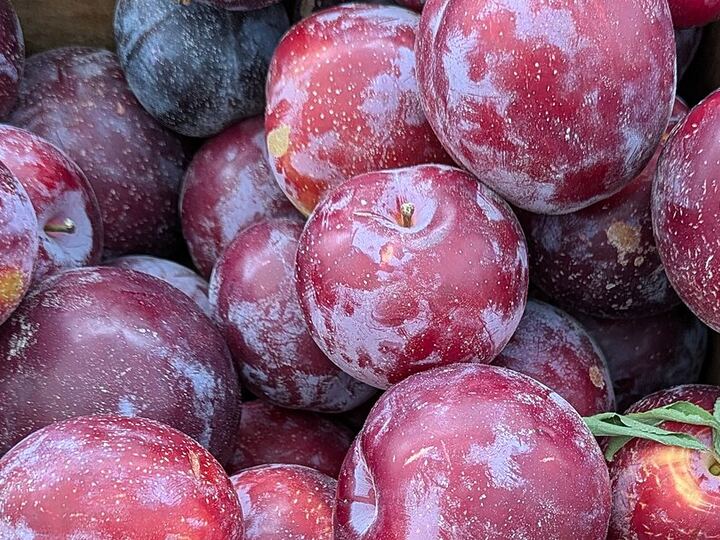
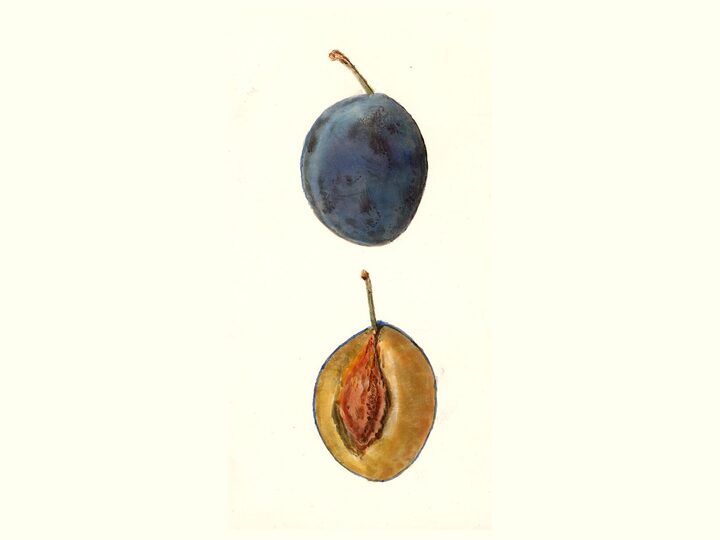
Italian Prune is a European plum with dark purple-blue skin and sweet, firm, yellow-green flesh. It's freestone, so the pit comes out cleanly.
It's the classic plum for drying into prunes, and it's also excellent for baking (think plum cake and tarts), canning and fresh eating.
European plums bloom later than Japanese plums, so they're less likely to lose their flowers to frost.
Also known as Fellenberg, it was found in Lombardy, Italy, around 1800.
How it tastes
Sweet and rich, with firm, less-juicy flesh than Japanese plums. It gets even sweeter and richer when baked or dried into prunes.
At a glance
- You get
- #7 container, about 1.25" caliper (trunk thickness 6 inches above the soil; each tree varies a little)
- Hardiness zones
- USDA 5–8 (Salem County is 7)
- Blooms
- Later than Japanese plums
- Ripens
- September
- Starts bearing
- Usually 3–4 years after planting
- Mature size
- About 12–15 ft with regular pruning
- Pollination
- Self-fertile
- Botanical name
- Prunus domestica
- Price
- $88 each, paid at pickup
- Pickup
- Pittsgrove, NJ, typically in March
The fruit
- Looks
- Medium, oval, purple-blue skin, yellow-green flesh; freestone
- Flavor
- Sweet and rich, sweeter still when cooked or dried
- Best for
- Drying, Baking, Canning, Fresh
- Keeps
- Keeps better than most plums
Pollination
Self-fertile, so one tree will fruit. A second European plum nearby can improve the crop.
Growing tips
Watch for: Black knot and brown rot
- Full sun and well-drained soil.
- Thin heavy crops so the fruit is 3–4 inches apart. Plums often set more than the tree can carry.
- Watch for black knot (hard black swellings on branches) and cut it out in winter.
- Prune in late winter or early summer.
Spray schedule: Plum Spray Schedule for New Jersey Home Orchards (Rutgers Cooperative Extension, fact sheet FS116)
New to planting fruit trees? Read our step-by-step planting guide: square hole, graft above the soil, native soil, and no fruit for the first two years.
Photos show the variety, not the exact plant you’ll get. Reservations are for the 2027 season, picked up at our farm in Pittsgrove, NJ, typically in March, and aren’t guaranteed until we confirm them. Questions? Ask us or call or text (856) 345‑4538.