Pears · 2027 season
Shinseiki Asian Pear Tree
Pyrus pyrifolia
Better with a partnerVery sweet, mild and crisp, eaten crunchy like an apple. Bears young and heavily.
- #7 container
- About 1.25" caliper
Pick up in Pittsgrove, NJ, typically in March. Pay cash, check, Venmo or PayPal at pickup.
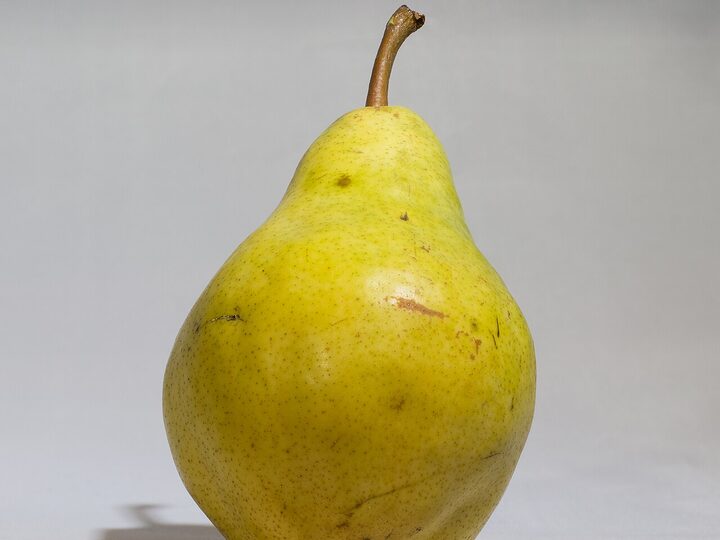
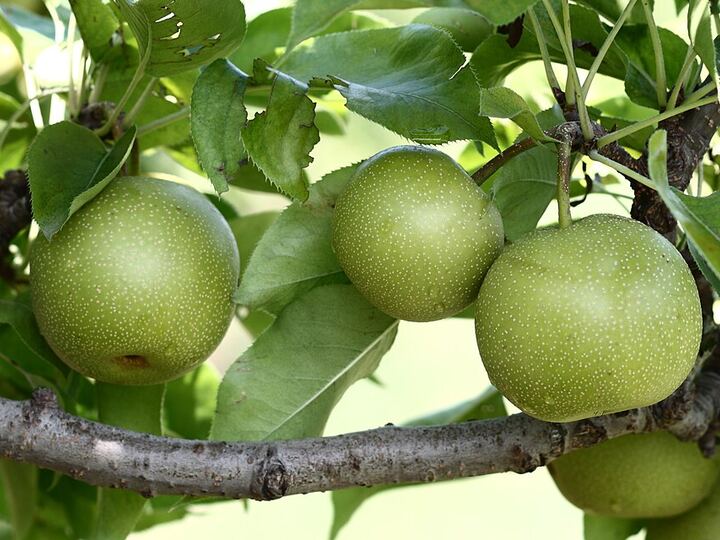
Shinseiki ("New Century") is one of the most popular Asian pears to grow. The fruit is round, smooth and yellow, crisp and juicy, with a mild, sweet flavor.
It bears young and heavily, often in just a couple of years.
The pears ripen on the tree and keep for weeks in the fridge.
How it tastes
Very sweet and mild, crisp and juicy, eaten crunchy like an apple. Refreshing more than rich.
At a glance
- You get
- #7 container, about 1.25" caliper (trunk thickness 6 inches above the soil; each tree varies a little)
- Hardiness zones
- USDA About 5–9 (Salem County is 7)
- Blooms
- Mid-way through the Asian pear bloom, which makes it a great pollinator
- Ripens
- Early to mid August
- Starts bearing
- Usually 3–5 years after planting
- Mature size
- Depends on rootstock; ask us
- Pollination
- Better with a partner
- Botanical name
- Pyrus pyrifolia
- Price
- $88 each, paid at pickup
- Pickup
- Pittsgrove, NJ, typically in March
The fruit
- Looks
- Medium, round, smooth yellow skin, creamy white flesh
- Flavor
- Very sweet and mild
- Best for
- Fresh
- Keeps
- Weeks in the fridge
Pollination
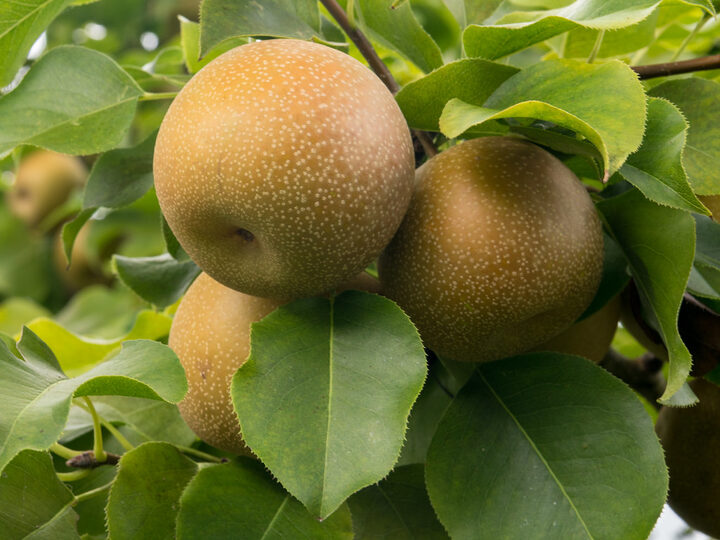
Partly self-fertile, but you'll get bigger crops with another Asian pear nearby. Shinko is the partner on our list. European pears won't reliably pollinate it.
Good partners from our list
Growing tips
Watch for: Fire blight ratings differ between trials; treat it as susceptible and prune out any blighted shoots
- Full sun. Pears handle heavier, wetter soil better than most fruit trees.
- Fire blight is the main pear problem in our humid summers. Prune out blackened, scorched-looking shoots well below the damage, and don't overfeed with nitrogen.
- European pears are picked firm and ripened on the counter. Asian pears ripen on the tree and are picked ready to eat.
- Prune lightly in late winter.
New to planting fruit trees? Read our step-by-step planting guide: square hole, graft above the soil, native soil, and no fruit for the first two years.
Photos show the variety, not the exact plant you’ll get. Reservations are for the 2027 season, picked up at our farm in Pittsgrove, NJ, typically in March, and aren’t guaranteed until we confirm them. Questions? Ask us or call or text (856) 345‑4538.