Apricots · 2027 season
Tilton Apricot Tree
Prunus armeniaca
Self-fertileSweet-tart with strong apricot flavor. Late-blooming and great for canning.
- #7 container
- About 1.25" caliper
Pick up in Pittsgrove, NJ, typically in March. Pay cash, check, Venmo or PayPal at pickup.
Tilton is one of the later-blooming apricots, which makes it a better bet against late spring frost.
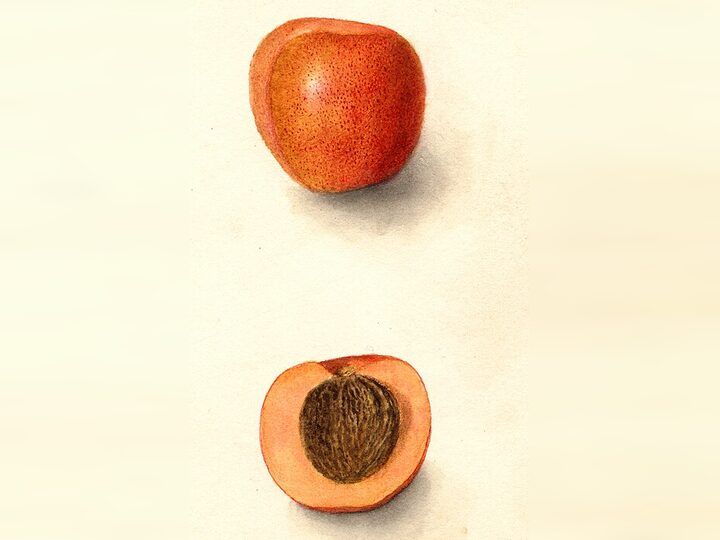
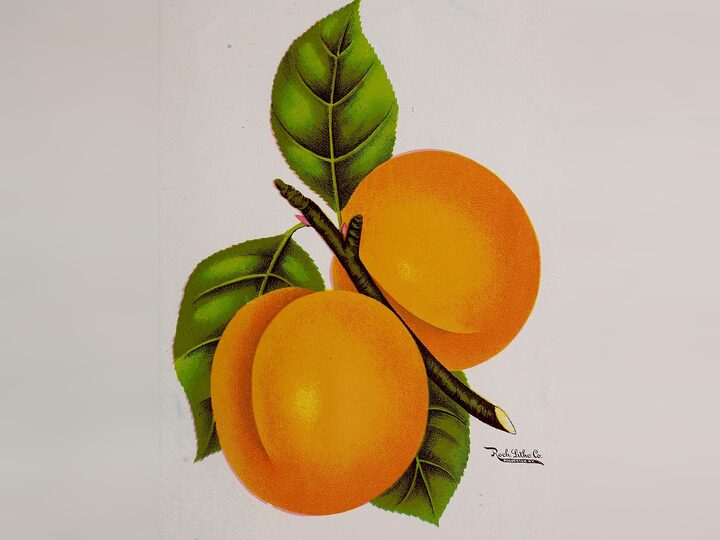
It bears heavily, with large, firm, light-orange fruit that holds its shape well. It's a favorite for canning and drying.
Thin the fruit in heavy years so the branches aren't overloaded.
Tilton is an American variety dating to 1885. Because it blooms so late, it isn't a reliable partner for early-blooming Perfection, but it doesn't need one itself.
How it tastes
Sweet-tart with a strong, true apricot flavor. Firm enough to hold its shape when canned or dried.
At a glance
- You get
- #7 container, about 1.25" caliper (trunk thickness 6 inches above the soil; each tree varies a little)
- Hardiness zones
- USDA 4–9 (Salem County is 7)
- Blooms
- Very late for an apricot
- Ripens
- Mid to late summer
- Starts bearing
- Usually 3–4 years after planting
- Mature size
- About 12–20 ft, depending on rootstock and pruning
- Pollination
- Self-fertile
- Botanical name
- Prunus armeniaca
- Price
- $88 each, paid at pickup
- Pickup
- Pittsgrove, NJ, typically in March
The fruit
- Looks
- Medium to large, heart-shaped, light orange with a slight blush; freestone
- Flavor
- Sweet-tart, strong apricot flavor
- Best for
- Canning, Drying, Fresh
- Keeps
- About a week in the fridge
Pollination
Self-fertile. One tree will fruit on its own.
Also a good partner for

Growing tips
Watch for: Brown rot and bacterial spot; handles late frost better than most apricots
- Apricots bloom very early, so a late frost can take the crop in some years. Plant on higher ground or a slope where cold air drains away, not in a low pocket.
- Full sun and well-drained soil. A spot sheltered from cold north winds helps.
- Thin the fruit to 3–4 inches apart when it's marble-sized.
- Prune lightly in late winter or early spring.
New to planting fruit trees? Read our step-by-step planting guide: square hole, graft above the soil, native soil, and no fruit for the first two years.
Photos show the variety, not the exact plant you’ll get. Reservations are for the 2027 season, picked up at our farm in Pittsgrove, NJ, typically in March, and aren’t guaranteed until we confirm them. Questions? Ask us or call or text (856) 345‑4538.